Marketing Moves of the Week: Longchamp, Disney, Chanel, SKIMS, The North Face, Apple
Published in Clickz
Published in LBB
A surreal vision of motion and elegance unfolds in a fully AI-driven cinematic world from Obsidian and director Audrey Mascina.
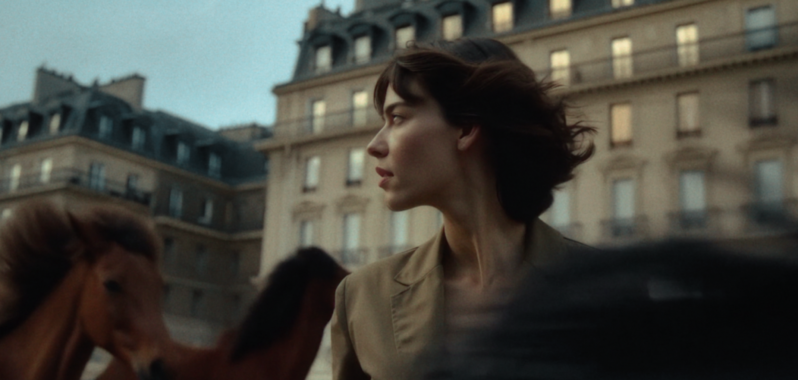
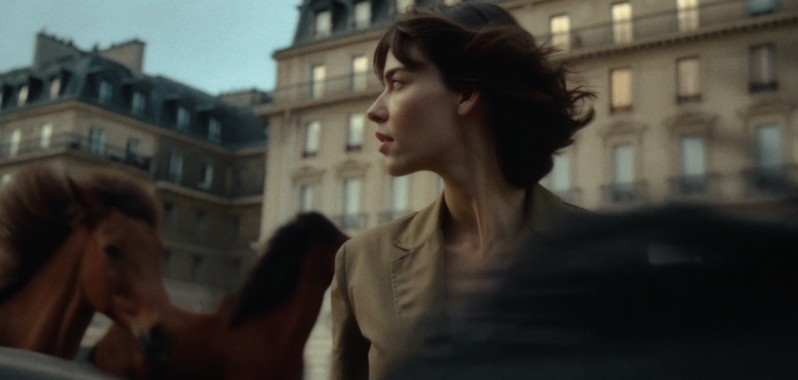
Obsidian, global creative studio co-founded by Wes Walker and Louis Gheysens, presents 'Paris Vertigo,' a fully AI-driven cinematic film created for the iconic French luxury house Longchamp. Conceived as a brand manifesto and creative dreamscape, the film transforms Paris into a living, breathing world of motion, imagination, and possibility. Through a blend of generative technology and human-led artistry, 'Paris Vertigo' explores how emerging tools can elevate emotional storytelling and expand the visual language of luxury.
At the heart of the project is the singular creative vision of Anton Tammi: creative director, working in close collaboration with Audrey Mascina: director and Marc Vena: head of story at Obsidian. Together, the team set an ambitious challenge for themselves: to build a film entirely from generative AI while preserving a sense of handcrafted emotion, cinematic depth, and narrative soul.
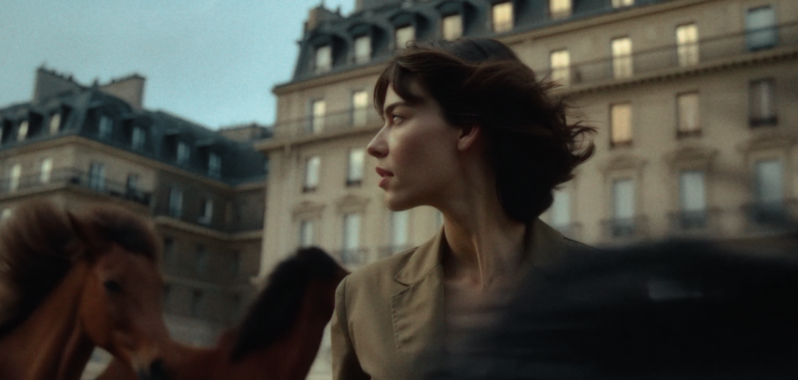
The result is an almost mystical vision of Paris transformed. Horses run across rooftops. Greenery overtakes architecture. Tracks carve through the city like veins of movement and renewal. The horse, Longchamp’s enduring symbol of freedom, elegance, and motion, becomes a living force that reshapes the entire world around it. The city is no longer a backdrop but a dreamlike organism shaped by velocity, air, rhythm, and imagination.
“‘Paris Vertigo’ was truly a creative dream,” shares Obsidian co-founders Wes Walker and Louis Gheysens. “We went to Longchamp with a bold artistic ambition led by Anton’s vision. The question was simple and daunting at the same time: How far can generative AI be pushed to support a story that still feels human, emotional, and handmade? Every frame became a study in balance between technology and instinct, scale and restraint, experimentation and authenticity.”
From pitch to final delivery, the project unfolded over a seven-month creative journey rooted in collaboration with the Longchamp team. The process required defining a very precise narrative red line that honoured brand heritage while opening the door to a surreal and future-facing aesthetic. Every decision was guided by the tension between pushing technical boundaries and protecting the emotional integrity of the story.
“As a director, the biggest challenge was to make this fully AI-generated world feel genuinely real and cinematic, says Audrey. “We designed the characters entirely from scratch – their faces, silhouettes and style – so they feel like people you could actually meet in Paris today. We focused on their ‘acting’, so their emotions feel as truthful as a real performance. I wanted Paris, and the cinematography to carry the same authenticity and sense of surprise: epic yet contemporary camera moves, with immersive, unexpected angles inside a surreal universe that remains anchored in reality. AI is often used to chase spectacle, but my ambition here was to bring authentic emotion, rich visual textures and storytelling – and that slightly imperfect, human feel you only get from film.”
Technically, 'Paris Vertigo' pushed generative filmmaking into one of its most difficult frontiers. Animating horses realistically with AI demanded intensive experimentation and refinement. Maintaining architectural authenticity in Paris required strict visual control as generative systems tend to reinterpret urban design. Character consistency posed its own challenges as AI continuously shifted facial structure, eye colour, and physical proportions. These obstacles were overcome through layered prompting, compositing, and human-led visual supervision across tools including Kling, Midjourney, Veo3, and Photoshop.
“AI did not replace creativity here. It amplified it,” Wes added. “Every creative choice still came from instinct, taste, and storytelling discipline. The technology simply became the instrument through which imagination could move faster and further.”
With 'Paris Vertigo,' Obsidian continues to define a new model of cinematic storytelling where AI is not a shortcut, but a brush. The project stands as a powerful example of how heritage luxury brands can explore emerging technologies without sacrificing craftsmanship, emotion, or artistic intent.
Published in Clickz
Published in Shots
Written in LBB
For LBB
Written in Sports Business Journal